The Theatre of Una Marson
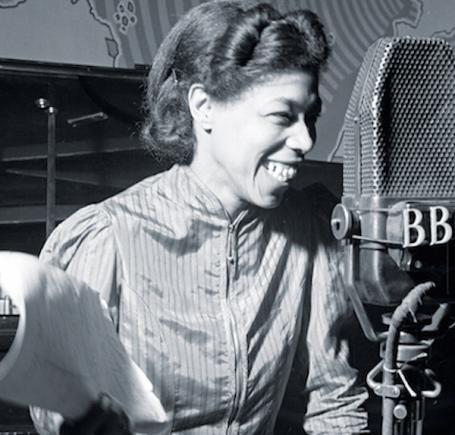
Feminist, activist, nationalist, editor and writer, Una Marson wrote columns, poems, manifestos, radio programmes and plays and was the first Black woman broadcaster and producer to work for the BBC.
Born in Jamaica, Una Marson was one of the most extraordinary personalities to come out of the Caribbean, her legacy was often overshadowed by colleagues and contemporaries activists of the 1930s such as Marcus Garvey, Harold Moody, George Padmore and CLR James. Her work is set against the period’s extraordinary explosion in the growth of civil rights and pan-African movements and the creation of Black cultural institutions.
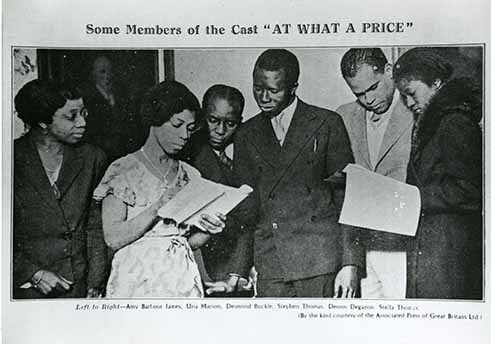
Since her death in 1965, Una Marson’s life and work have since been rediscovered, restoring her reputation and hailing the accomplishments of this pioneering campaigner and writer. Among her many genres, Una is acknowledged as a playwright of note.
At What a Price (1933), was the first play in London to be written and performed by an entirely Black creative team. Pocomanía (1938) still rarely performed, is hailed as among the most important Caribbean plays ever written and credited with representing “the birth of Jamaican national drama”. London Calling (1937) is a compelling satire tackling race, class and gender.
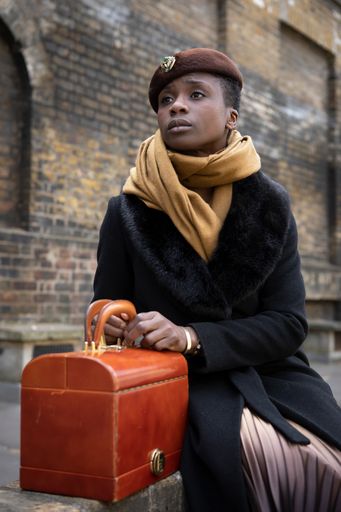
Funded by Arts Council England, Equal Stages Digital has produced an online version of excerpts from Una Marson’s 1937 play London Calling – directed by Ayesha Casely-Hayford and performed by Ann Akin (pictured above as Rita), Kudzanayi Chiwawa, David Ajao, Tunji Lucas and Tonderai Munyevu. Photography by Helen Boast.
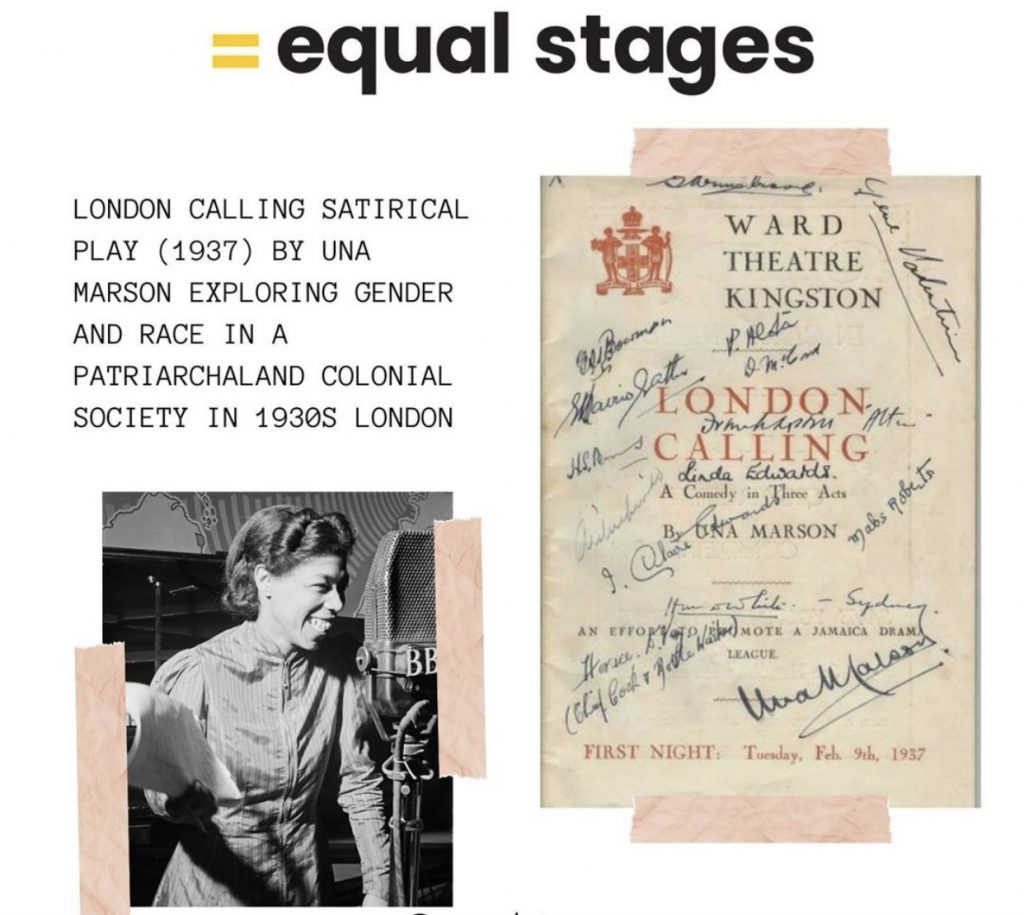
Like a modern sitcom – but with bite – London Calling plays on social commentary, situations, spot-on characterisation and elements of farce tossed in to create an entertaining, accessible vehicle for what is a tough message. What makes the play come especially alive is the contemporary credibility that stems from real autobiographical moments from Una’s own encounters in London during the 1930s.
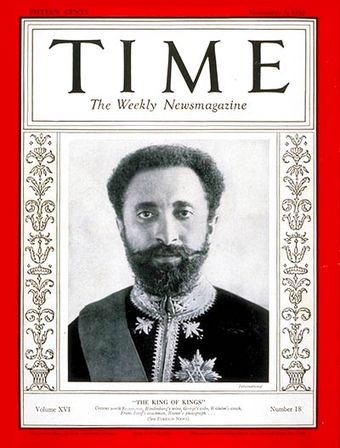
In the 1930s London had become a political and cultural HQ for Pan-Africanism bringing together international activists from the Caribbean, America, Europe and Africa. The Black cultural campaigners and the modernists from Bloomsbury to South London shared common causes of Black-self determination with Harlem Renaissance poets and writers, African students and nationalists and leaders and politicians such as Ethiopia’s Haile Selassie and Jamaica’s Marcus Garvey, Amy Euphemia Jacques Garvey and Amy Ashwood Garvey. Una was at the heart of the rise in the feminist and anti-colonial movements growing global momentum.